Client
Dia Art Foundation
Year
2026
Location
New York
(USA)
Role
Digital identity,
Interactive direction,
UX / UI
Category
Gallery,
E-commerce,
Collection,
Exhibitions
Dia is a contemporary art institution founded in 1974, with three galleries located in New York. Dedicated to supporting artists through commissions, exhibitions and the preservation of ambitious, large-scale works from the 1960s onwards.
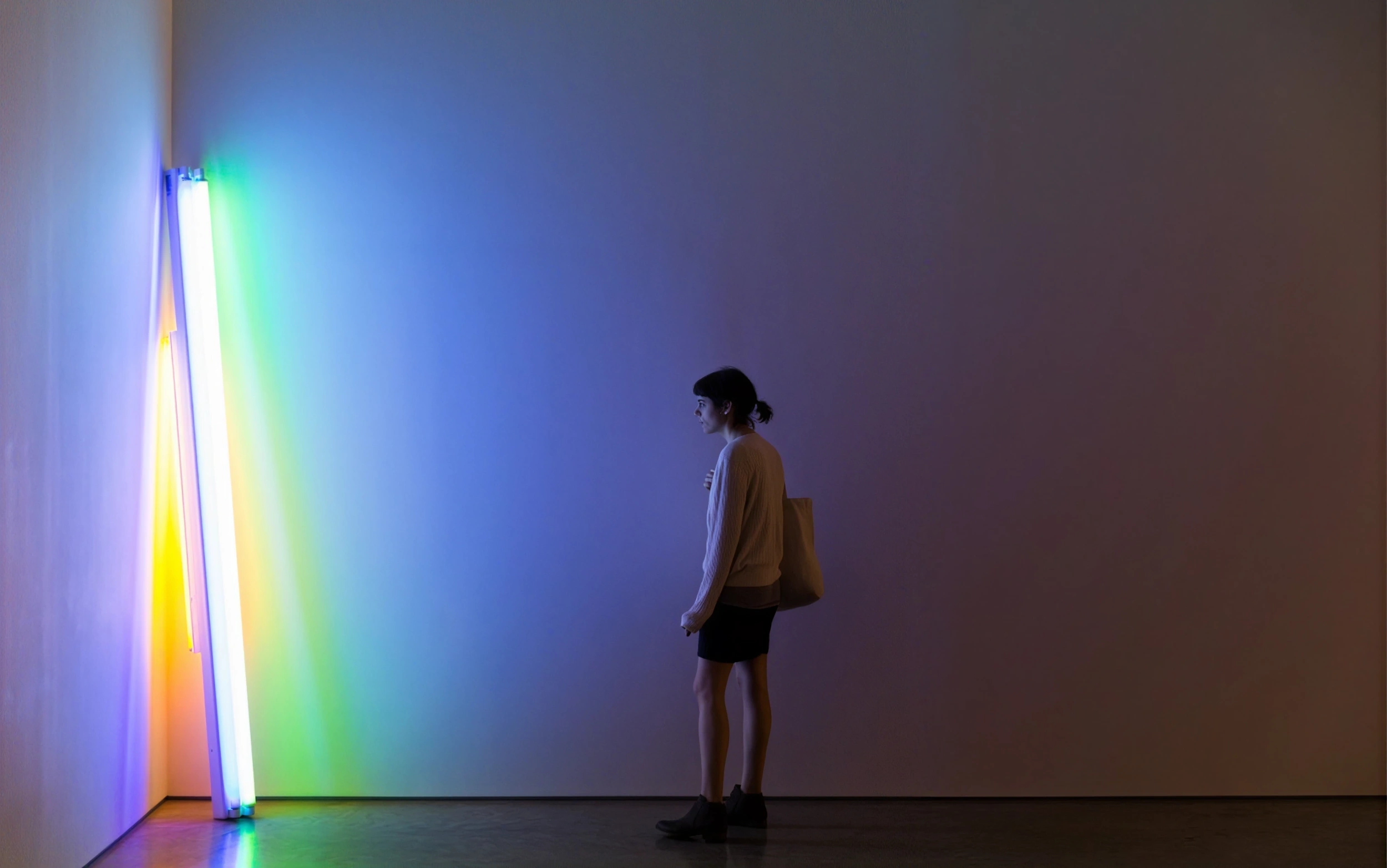
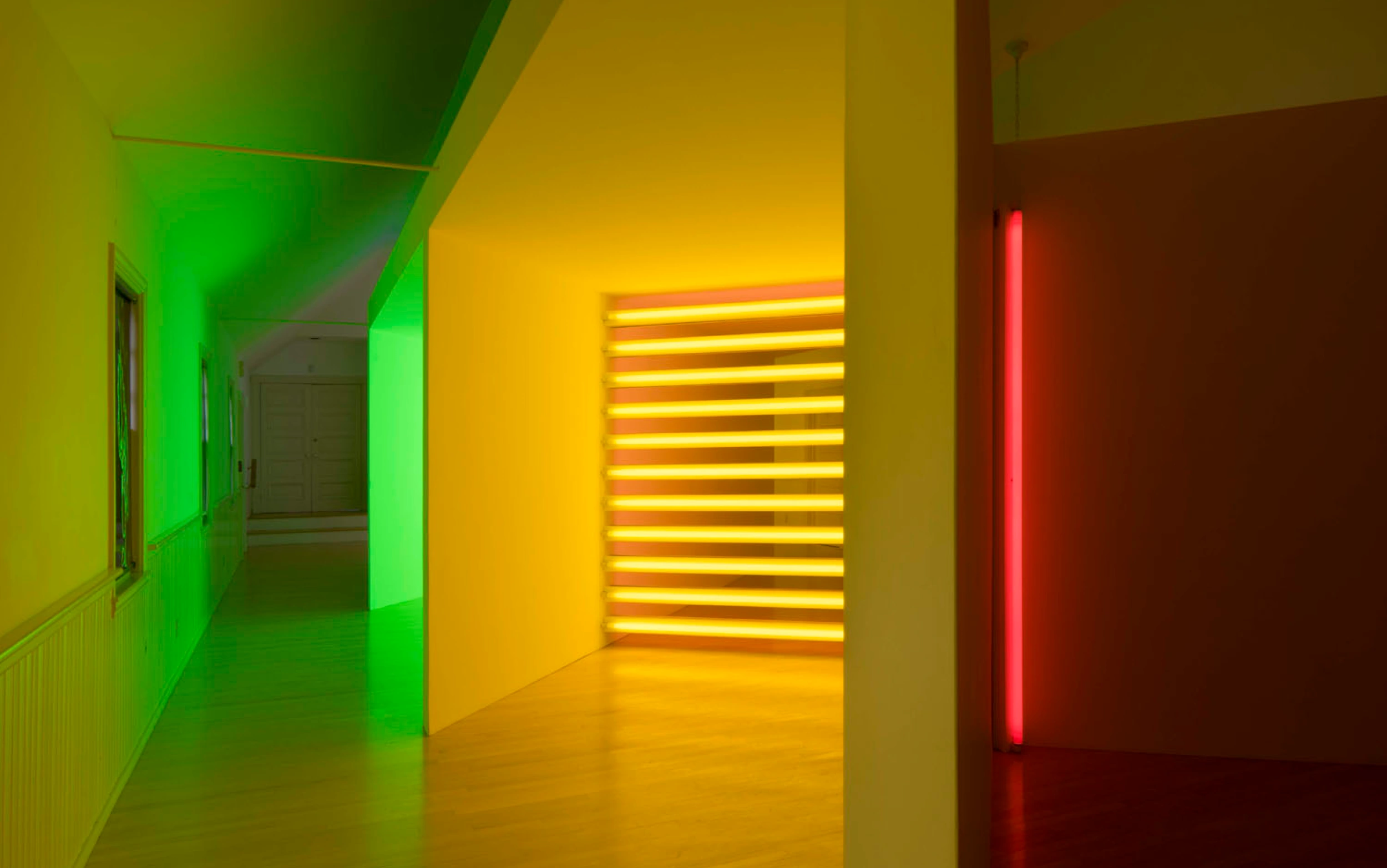
Holding an extensive collection of conceptual art, including sculptures, installations and environmental works by artists such as Donald Judd, Dan Flavin, Walter De Maria and Richard Serra, with the aim of supporting ambitious artistic visions, preserving significant works and exploring the relationship between art, space and the environment.
Their existing online presence was failing to express the growing ambitions and future direction of the institution. They approached us to reimagine their digital identity and restructure thier templates and navigation, guiding audiences to visit their spaces.
The proposal set to reposition their visual language for on-screen access, utilising imagery, motion and interaction to emulate scale and immersive experience of the art in their physical sites. Practical enhancements helped to integrate an online shop, increase access to their collections through an AI powered 'personal curator', and interactive 3d floor plans of works currently on view.
Digital direction
Expressing the immersive gallery spaces and installations, the platform aims to contextualise art through serendipitous discovery and dynamic content.
Visual Identity
Art is given the central stage, while clear typographic hierarchy, a muted colour palette and carefully crafted navigation brings consistency and structure to the design.
Grid system
The base of the platform is formed through a unique grid system, utilising the logo's colon as a prefix to page content, defining the architecture and positioning of elements.
Composition
The grid system enables a variety of layouts for modules and components while maintaining a unified visual impression.
Fluid design system
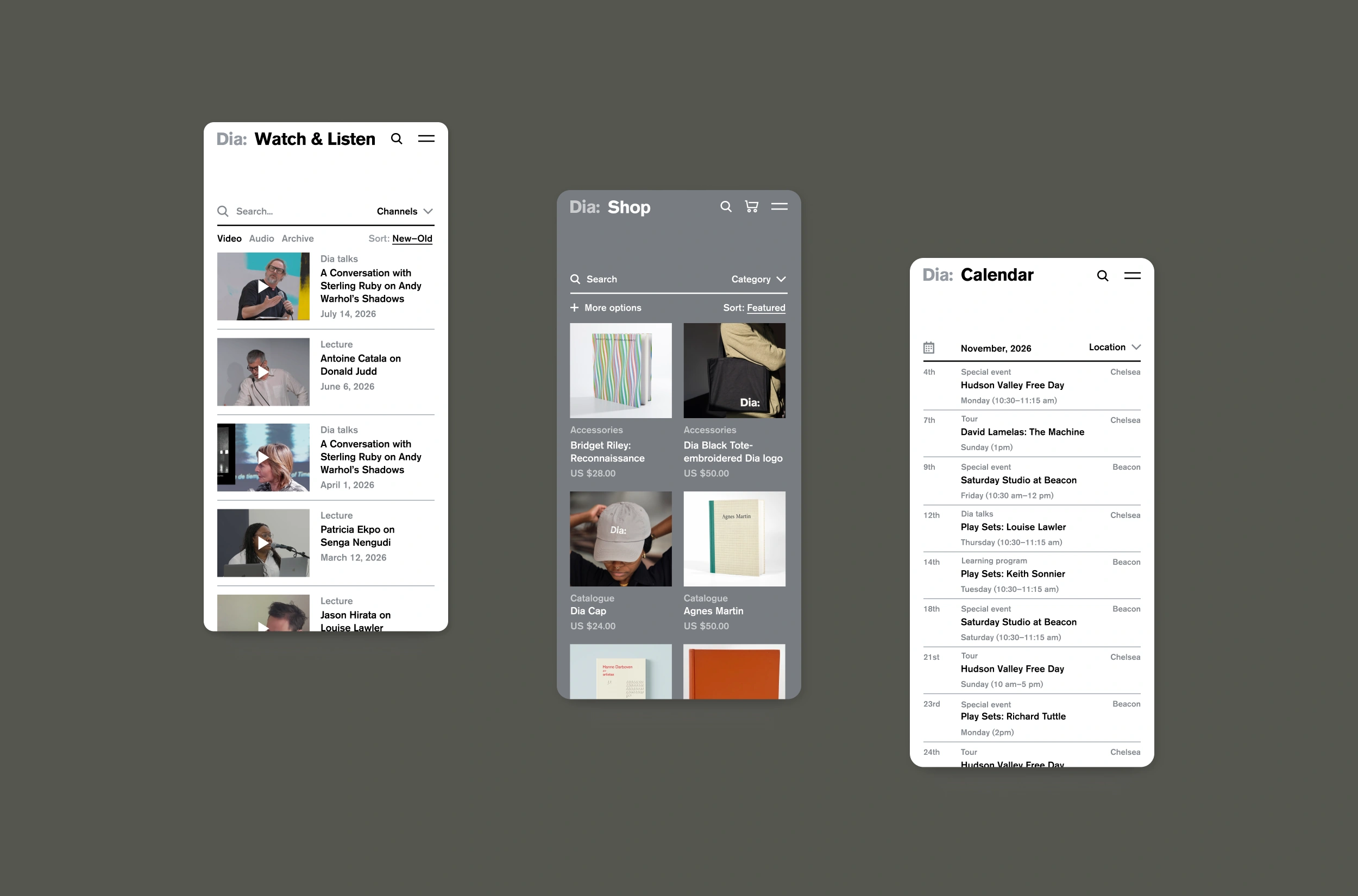
Components adapt for touchscreen devices.
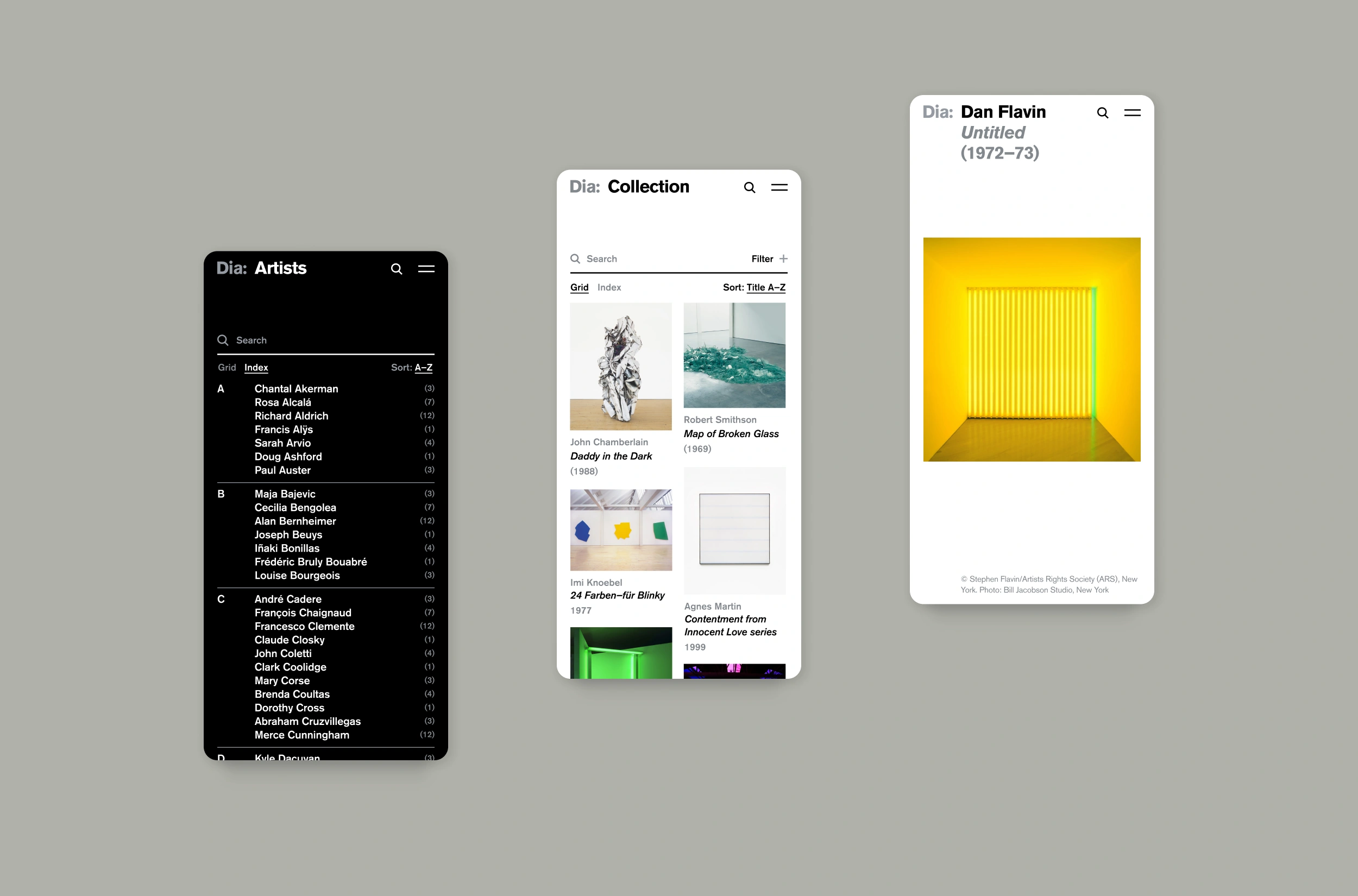
Presenting artworks
Forming distinct pathways into the collection to cater for both casual browsing and advanced search queries.